# Digestive Health: Understanding Common Digestive Problemsand Their Care
The digestive system plays an important role in breaking down food, absorbing nutrients, and removing waste from the body. Maintaining good digestive health can support overall wellbeing and help prevent many common gastrointestinal problems.
## Understanding the Digestive System
The digestive system includes the mouth, food pipe, stomach, small intestine, large intestine, liver, gallbladder, and pancreas. These organs work together to digest food and provide the body with essential nutrients and energy.
Problems affecting any part of the digestive system can cause symptoms ranging from mild discomfort to conditions requiring specialized medical care.
## Common Digestive Problems
Some common digestive conditions include:
- Acidity and acid reflux
- Gastritis
- Indigestion
- Constipation
- Diarrhea
- Irritable bowel syndrome
- Gallbladder problems
- Liver disorders
- Inflammatory bowel conditions
- Peptic ulcers
- Gastrointestinal infections
The symptoms and treatment of each condition can vary, making proper medical evaluation important when symptoms persist.
## Common Symptoms of Digestive Problems
Digestive disorders may cause different symptoms depending on the underlying condition. Common symptoms include:
- Abdominal pain or discomfort
- Bloating
- Heartburn or acid reflux
- Nausea or vomiting
- Changes in bowel habits
- Constipation or diarrhea
- Loss of appetite
- Difficulty swallowing
- Unexplained weight loss
- Blood in the stool
Persistent or unusual symptoms should not be ignored and should be evaluated by a qualified healthcare professional.
## How to Maintain a Healthy Digestive System
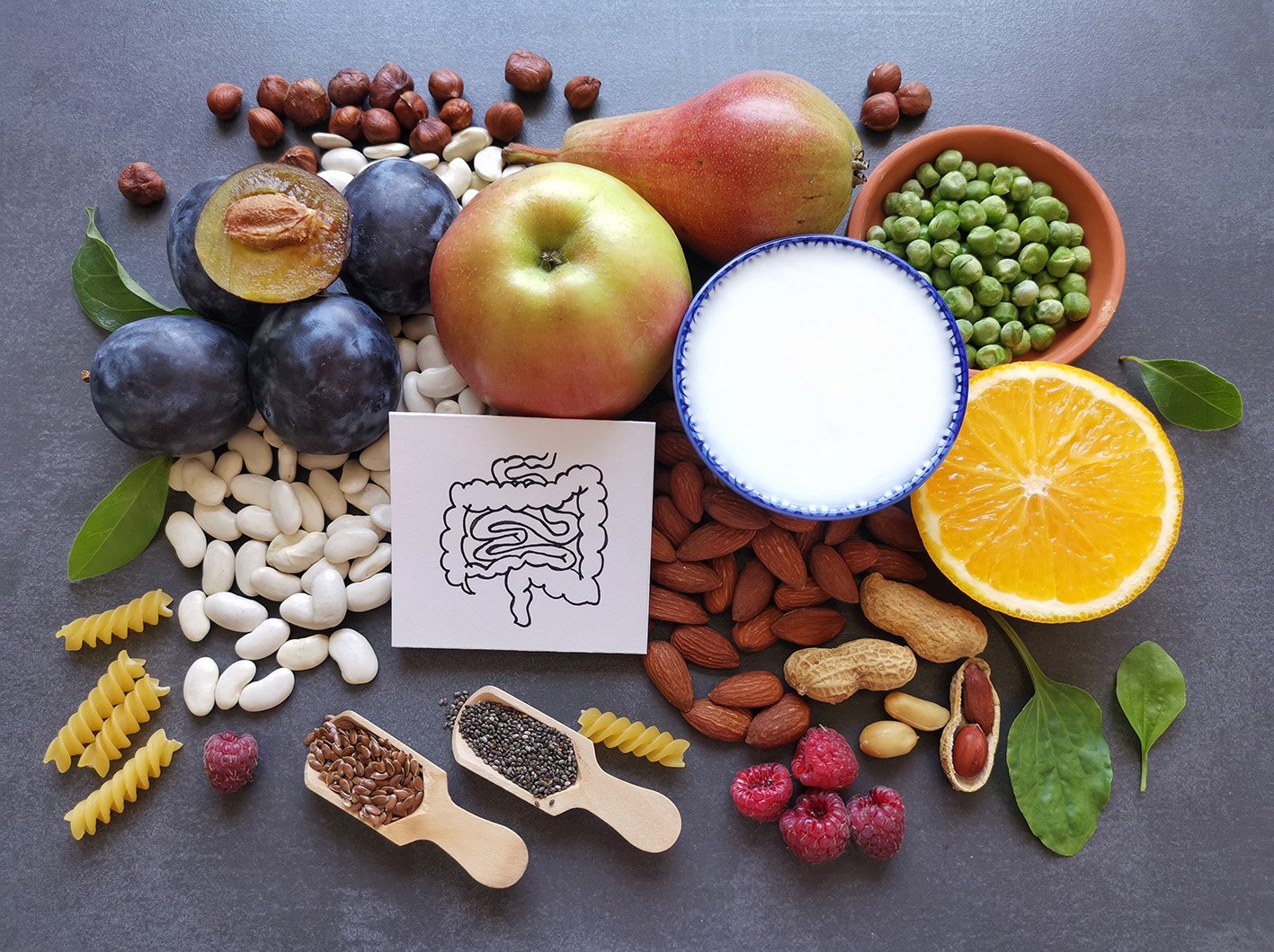
Healthy lifestyle and eating habits can support digestive health. Some useful habits include:
- Eating a balanced and nutritious diet
- Including adequate dietary fibre
- Drinking enough water
- Eating meals at regular intervals
- Staying physically active
- Limiting highly processed and excessively fatty foods
- Avoiding tobacco products
- Limiting alcohol consumption
- Managing stress
- Getting adequate sleep
Individual dietary requirements can vary, so people with specific digestive conditions should follow advice provided by their healthcare professional.
## When Should You See a Gastroenterologist?
You should consider consulting a gastroenterologist if you experience persistent abdominal pain, recurring acidity, unexplained weight loss, ongoing changes in bowel habits, difficulty swallowing, repeated vomiting, or blood in the stool.
A specialist can evaluate your symptoms, medical history, and risk factors and recommend appropriate investigations when required.
## Diagnosis and Treatment
Depending on the symptoms and suspected condition, a doctor may recommend blood tests, ultrasound, endoscopy, colonoscopy, imaging studies, or other diagnostic investigations.
Treatment depends on the underlying cause and may include dietary changes, medicines, lifestyle modifications, endoscopic procedures, or surgery when medically necessary.
## Digestive Care at Jyothi Multispeciality Hospital
At Jyothi Multispeciality Hospital, our Gastroenterology team provides comprehensive care for a wide range of digestive system conditions.
Our approach focuses on accurate diagnosis, appropriate treatment, preventive care, and continued follow-up based on each patient's individual health needs.
## Take Care of Your Digestive Health
Good digestive health is an important part of overall wellbeing. Paying attention to persistent symptoms, following healthy lifestyle habits, and seeking timely medical advice can help identify and manage digestive problems effectively.
If you are experiencing ongoing digestive symptoms, consult the Gastroenterology team at Jyothi Multispeciality Hospitalfor appropriate evaluation and guidance.