# Hypertension: Understanding High Blood Pressureand Protecting Your Health
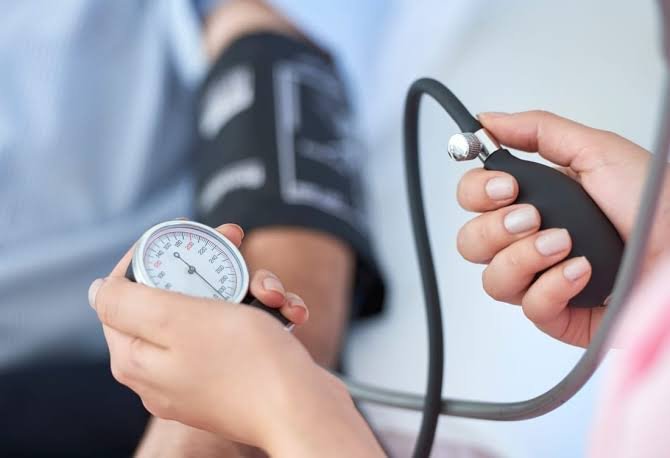
Hypertension, commonly known as high blood pressure, is a common health condition in which the force of blood against the walls of the arteries remains higher than normal. Since hypertension may not cause noticeable symptoms in many people, regular blood pressure checks are important for early detection and management.
## What Is Hypertension?
Blood pressure is the force of blood pushing against the walls of the arteries as the heart pumps blood throughout the body. A blood pressure reading consists of two numbers: systolic pressure and diastolic pressure.
Persistently elevated blood pressure can place additional strain on the heart and blood vessels. If it remains uncontrolled over time, it may increase the risk of serious health problems.
## Common Risk Factors
Several factors can contribute to the development of hypertension. These may include:
- Family history of high blood pressure
- Excessive salt intake
- Being overweight or obese
- Lack of regular physical activity
- Smoking or tobacco use
- Excessive alcohol consumption
- Long-term stress
- Increasing age
- Certain medical conditions
- Certain medications
Having one or more risk factors does not necessarily mean that a person will develop hypertension, but it can make regular health monitoring especially important.
## Does Hypertension Have Symptoms?
Hypertension is sometimes called a "silent" condition because many people may not experience obvious symptoms.
Some people with very high blood pressure may experience:
- Headache
- Dizziness
- Shortness of breath
- Chest discomfort
- Blurred vision
- Nosebleeds
However, these symptoms are not specific to hypertension. Regular blood pressure measurement is one of the most reliable ways to identify elevated blood pressure.
## Why Regular Blood Pressure Checks Matter
Regular blood pressure monitoring can help identify hypertension early. Your doctor may recommend checking your blood pressure at routine health visits or monitoring it at home depending on your individual health needs.
If consistently elevated readings are found, a healthcare professional can evaluate possible causes and recommend an appropriate management plan.
## Lifestyle Changes for Better Blood Pressure Control
Healthy lifestyle habits can play an important role in managing blood pressure. Depending on individual medical advice, these may include:
- Following a balanced, nutritious diet
- Reducing excessive salt intake
- Maintaining a healthy body weight
- Exercising regularly
- Limiting alcohol consumption
- Avoiding tobacco products
- Getting adequate sleep
- Managing stress
- Taking prescribed medicines as directed
Lifestyle changes should be combined with medical treatment when medication has been recommended by a healthcare professional.
## Complications of Uncontrolled Hypertension
When high blood pressure remains uncontrolled for a long period, it can place additional strain on important organs. It may increase the risk of cardiovascular disease, stroke, kidney problems, and other health complications.
Regular check-ups and appropriate treatment can help reduce these risks and support long-term health.
## Hypertension Care at Jyothi Multispeciality Hospital
At Jyothi Multispeciality Hospital, our medical team provides evaluation and ongoing care for patients with high blood pressure and related cardiovascular risk factors.
Our approach includes blood pressure assessment, evaluation of associated risk factors, lifestyle guidance, medical management when required, and regular follow-up based on each patient's individual health needs.
## Take Control of Your Blood Pressure
Hypertension can often be managed effectively with regular monitoring, healthy lifestyle choices, and appropriate medical care. Knowing your blood pressure and following your healthcare professional's recommendations can help protect your heart, brain, kidneys, and overall health.
If you have consistently high blood pressure readings or concerns about your cardiovascular health, consult a qualified healthcare professional for proper evaluation and guidance.